



















With increasing public awareness and education campaigns on the adverse health risks associated with the traditional Female Genital Mutilation (FGM) procedure and greater access to healthcare services, unethical healthcare workers in some rural parts of the Gusii region of western Kenya have increasingly become involved in performing FGM procedures either in private clinics or secluded home settings.
Many trained nurses and other health cadres in the Gusii region have taken over FGM procedures from traditional practitioners. They now play a leading role in performing and sustaining the practice through medicalizing the procedure.
The majority of these professionals are not in practice due to the increasing burden of unemployment in Kenya and the Gusii region.
The increasing engagement of medical staff in FGM medicalization in the Gusii region, where FGM is widely practiced, is based on the response to the emphasis on health risks of having traditional practitioners perform FGM procedures in unhygienic conditions.
The World Health Organization (WHO) defines FGM, sometimes called female genital circumcision, as the “partial or complete removal of the external female genitalia or injury to the female genital organ for cultural or any other non-medical reasons.”
The position of WHO as regards the medicalization of FGM is constant: “FGM of any form should not be practiced by health professionals in any setting,including hospitals or other health establishments.”
A joint technical consultation on the medicalization of FGM or Cutting (FGM/C) held in Nairobi, Kenya, in July 2009, condemned the practice of female genital cutting by medical professionals in any setting, including hospitals and other health establishments.
Demographic and Health Surveys data show that the medicalization of FGM/C has increased substantially in recent years, particularly in Egypt, Guinea, Kenya, Northern Sudan, Mali and Yemen, and, lately, Indonesia.
In many of these countries, one-third or more of women had their daughters cut by a trained health professional.
Communities in Kenya that practice FGM justify it as a traditional rite of passage into adulthood.
One in four women in Kenya has undergone FGM.
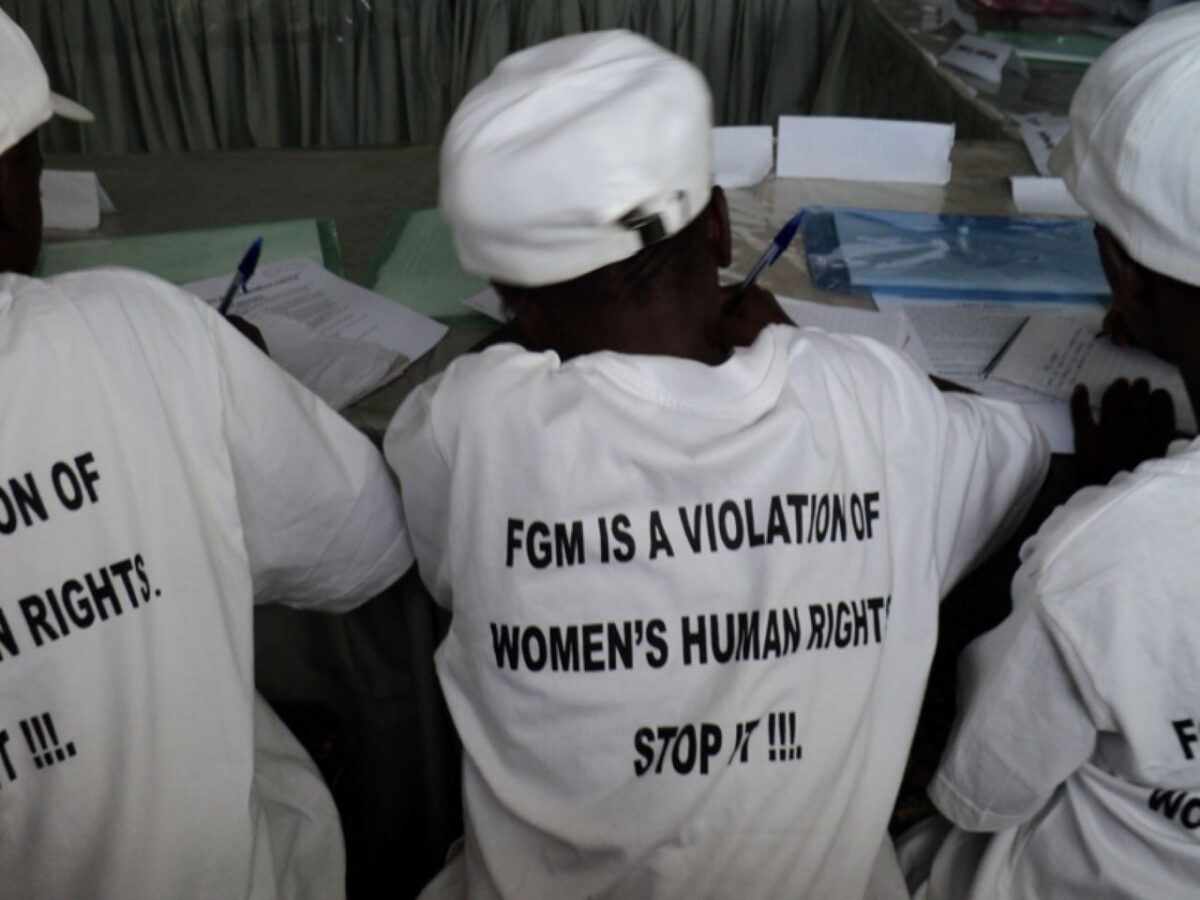
Despite the Kenyan Parliament enacting the Female Genital Mutilation Act 2011, where offenders will be fined up to KSh 500,000 or face a seven-year jail term, FGM-practising communities’ culture continues frustrating the anti-FGM war.
In the Gusii region alone, where FGM is almost 97 percent practiced, the war against the outdated cultural practice is far from over as members of the Gusii community continue embracing the vice under the guise of protecting their culture.
Mary Orwenyo is a gender activist and Maendeleo Ya Wanawake Organization (MYWO) Chairlady in Nyamira County.
She discloses that the members of the Gusii community have changed tact and have abandoned the traditional circumcisors in favor of medical practitioners.
This makes it difficult for the government law enforcement teams at the grassroots and the anti-FGM advocates on the ground to monitor those who subject their daughters to the illegal practice.
With the medicalization of FGM among the Gusii community members, Orwenyo argues, the proponents of the practice continue dodging the law as they allegedly book their daughters in private clinic facilities in the pretext of seeking medical treatment, only to have backstreet medical practitioners in such facilities subject their unsuspecting daughters to FGM.
“It is a well-known fact that many girls among the Gusii community, where FGM is heavily practiced, will apparently be psychologically traumatized and suffer exclusion from their peers and immediate community members for failure to go through the ‘cut’,” discloses Orwenyo.
She says it would be paramount that education gets intensified in the community, targeting men and opinion leaders through a peer-to-peer approach as part of the strategy to sensitize them to the dangers of FGM to girls and women.
“Men must be educated and sensitized that a girl does not need to undergo FGM in order to make a good wife. Until this perception is reversed, the outdated cultural practice will continue haunting girls and women even in the presence of deterrent laws,” observes Orwenyo.
She, however, welcomes the enactment of the Prohibition of Female Genital Mutilation Act of 2011.
She, however, expresses reservations about its implementation if the Government and anti-FGM non-governmental organizations do not step up public education and awareness to sensitize those affected by the legislation.
However, Orwenyo strongly differs from proponents of FGM, who claim that the ‘cut’ reduces a woman’s risk of contracting HIV.
She says the belief is misplaced since no proven research shows FGM as a remedy to HIV infections among women and girls subjected to the ‘cut’.
However, Orwenyo, who is a retired primary school teacher, challenges the government through the Ministry of Education’s department of curriculum delivery to consider introducing an anti-FGM curriculum in primary schools to educate and empower children with knowledge on the dangers of FGM.
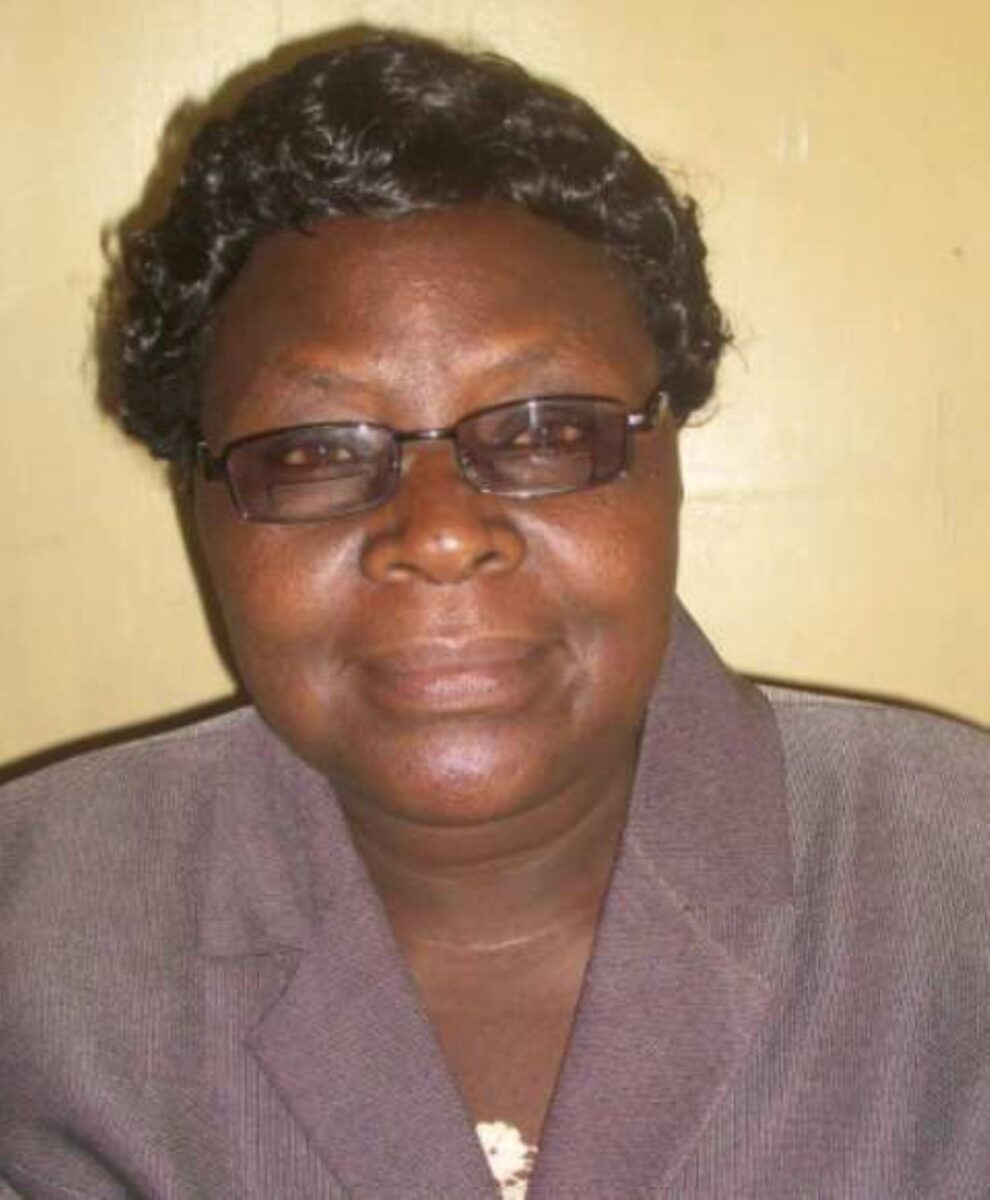
“Introducing anti-FGM curriculum in primary schools will facilitate the efforts of the government and other partner organizations scale up the war against FGM,” proposes Orwenyo.
“Unlike in the past where the FGM practice taught initiates during seclusion on how to live harmoniously with agemates, members of the opposite sex and the wider community, FGM medicalization serves no significant meaning.
Its proponents use the procedure to convince underage girls and only serves to avoid painful experiences among initiates without taking them through life skills, which was the cultural significance for FGM in our community’s culture,” clarifies Orwenyo.
WHO says that FGM is a common practice in many countries worldwide; over 100 million women and girls are estimated to have had FGM.
The practice, according to WHO, doubles the risk of a woman’s death at childbirth and increases the likelihood of a child being born dead by up to four times.
According to the 2008-09 Kenya Demographic and Health Survey (KDHS) report, communities practicing FGM believe the practice provides cultural identity, improves hygiene, supports virginity and honor, increases girls’ marriage prospects, represses sexual desire, and is part of the religious practice.
YOU CAN ALSO READ: Men challenged to join fight against female cut
The report indicates that the practice’s prevalence declined from 38 percent of women in 1998 to 27 percent in 2009.
Despite this progress, more than 96 percent of women aged 15 to 49 have undergone FGM in the Somali and Kisii communities.
Among the Maasai community, about 73 percent of women have undergone the ‘cut’.