




















- A primary challenge for many widowed mothers revolves around land ownership. Often, the in-laws of the deceased husband seize every opportunity to claim the land, disregarding the plight of the children left behind.
- With the assistance of the local administration, Monica, armed with her husband’s death certificate, filed the required forms at the area chief’s office and proceeded to the Busia County lands office to begin the succession process.
- According to the Federation of Women Lawyers in Kenya (FIDA), the Constitution of Kenya 2010 created statutory rights for spouses, ensuring that any person seeking to carry out a land transaction must disclose their marital status.
As the world observed International Widows Day on June 23, 2024, many widows, especially those without financial empowerment, continued to encounter significant economic challenges beyond being deprived of their property rights.
Three outstanding factors have been identified as key hindrances to women’s land property rights: cultural beliefs, lack of awareness, and fear. Women who fight to defend their rights often face hostility, physical or sexual violence, or ostracism.
Existing family laws that are not gender-sensitive have further entrenched discrimination against women, particularly widows, regarding their land and property rights.
A primary challenge for many widowed mothers revolves around land ownership. Often, the in-laws of the deceased husband seize every opportunity to claim the land, disregarding the plight of the children left behind.
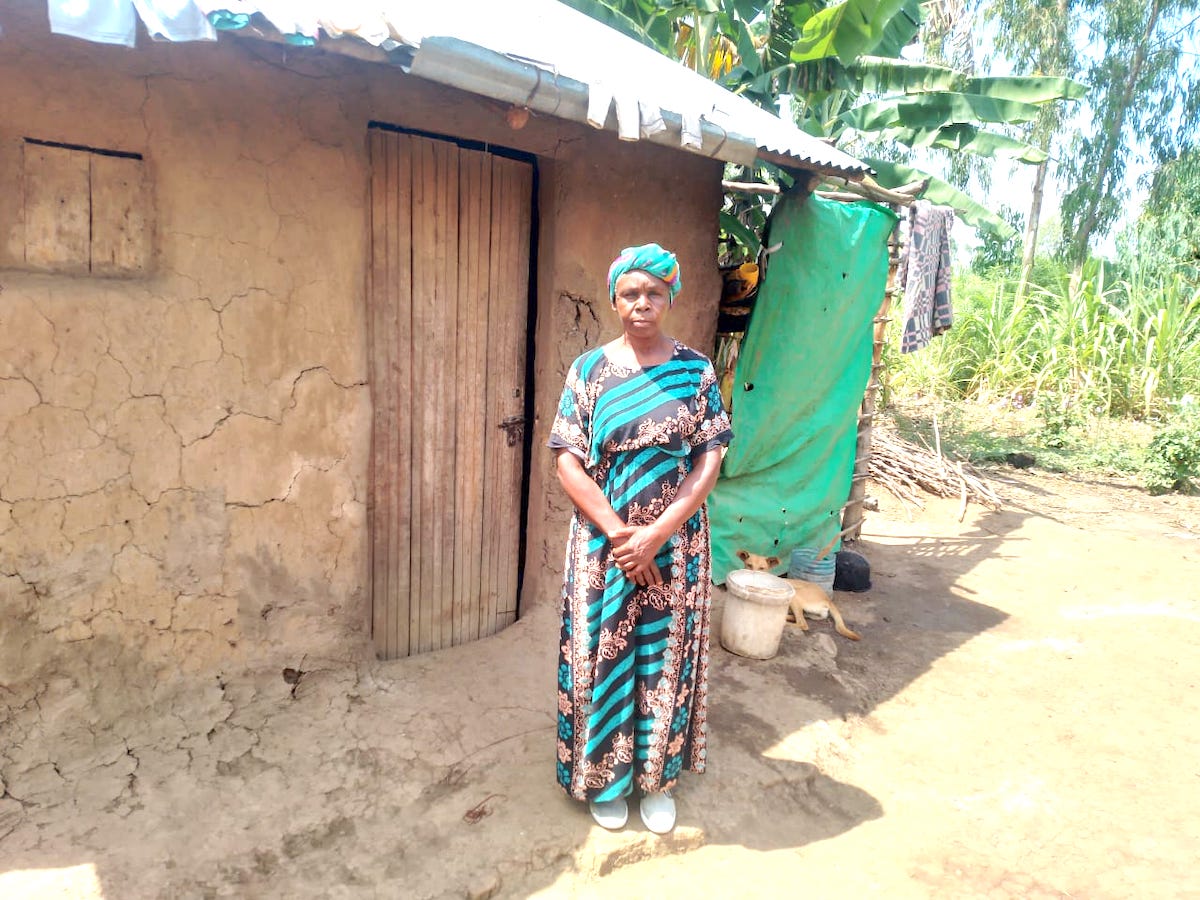
One such victim is Monica Okumu, a widowed mother of seven, aged sixty years, from Bukhoba village in Ruambwa sub-location, Bunyala North Ward, Budalang’i Constituency in Busia County.
Mama Monica has faced numerous challenges since her husband’s death nearly five years ago.
According to the Federation of Women Lawyers in Kenya (FIDA), the Constitution of Kenya 2010 created statutory rights for spouses, ensuring that any person seeking to carry out a land transaction must disclose their marital status.
Key highlights of the law relevant to women include:
- Presumption that spouses shall hold the land as joint tenants.
- Registering spouses as joint tenants.
- Acquired interest in land, including customary land, through contributions of labour or other means to the land’s productivity, upkeep, and improvement.
- Participation of women in the settlement process.
- A spouse is deemed a co-owner even if their name is missing from the title document, and any change is void without the spouse’s consent.
These factors incorporated into the new law protect women, particularly widows, from harassment by their in-laws after the demise of their spouses.
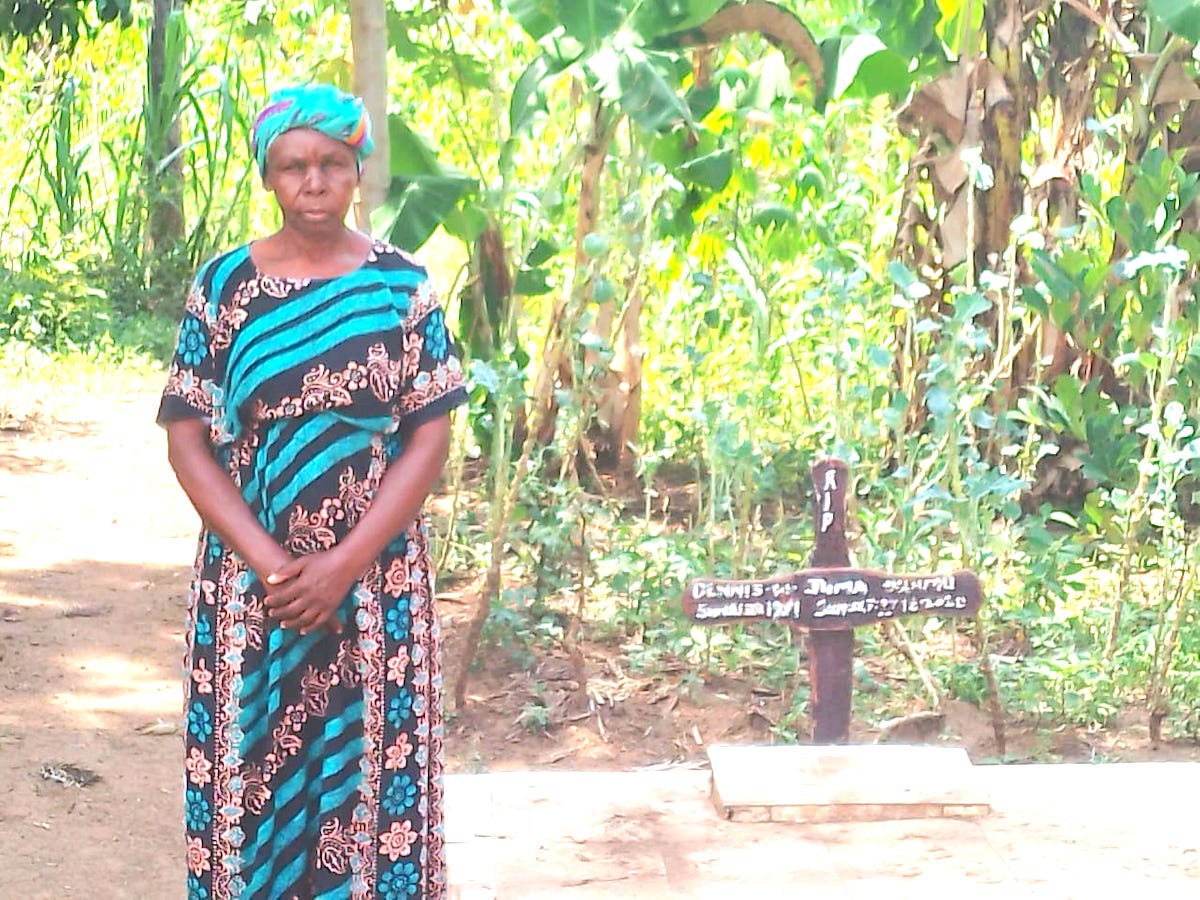
Mama Monica recalls with emotional pain how she endured immense hardship after her husband, Denis Okumu, passed away in December 2019 and was buried in January 2020.
Barely six months later, one of her in-laws falsely claimed that the two-acre parcel of land owned by her late husband belonged to him. Despite failing to prove his claim, the in-law continued to harass her, vowing to use every resource at his disposal to seize the land.
“The tears of grief I had shed had not even dried up after the burial of the father of my children. Shockingly, the person I had hoped would support me turned against me and attempted to grab our land,” recalls mama Monica.
Knowing her matrimonial inheritance rights, she stood firm, determined to protect her late husband’s land for her fatherless children.
With the assistance of the local administration, Monica, armed with her husband’s death certificate, filed the required forms at the area chief’s office and proceeded to the Busia County lands office to begin the succession process.
Despite her efforts, her in-law used his resources to bribe land tribunal committee members, thwarting her attempts to secure the title deed.
However, Busia County lands officials, in collaboration with local administrators, ensured that Monica eventually received the title deed.
Though her success displeased her deceased husband’s brother, Monica was overjoyed to have the coveted document in her possession.
“I am grateful to God for enabling me to eventually lay my hands on my late husband’s land title deed that had created bad blood between me and my in-law,” said Monica.
Her ordeal was not over. While her husband was alive, he had allocated a portion of the land to their three daughters, which led to a rift when the eldest son opposed the decision.
The stalemate remains unresolved, with the daughters determined to ensure their father’s will is honoured, even if it means seeking legal intervention.
Monica has been living by the grace of God. A year before her husband’s death, she was involved in a tragic road accident, sustaining serious injuries.
Despite her in-laws and close relatives being well-off, none offered material assistance, leaving her to cater to her family’s needs alone.
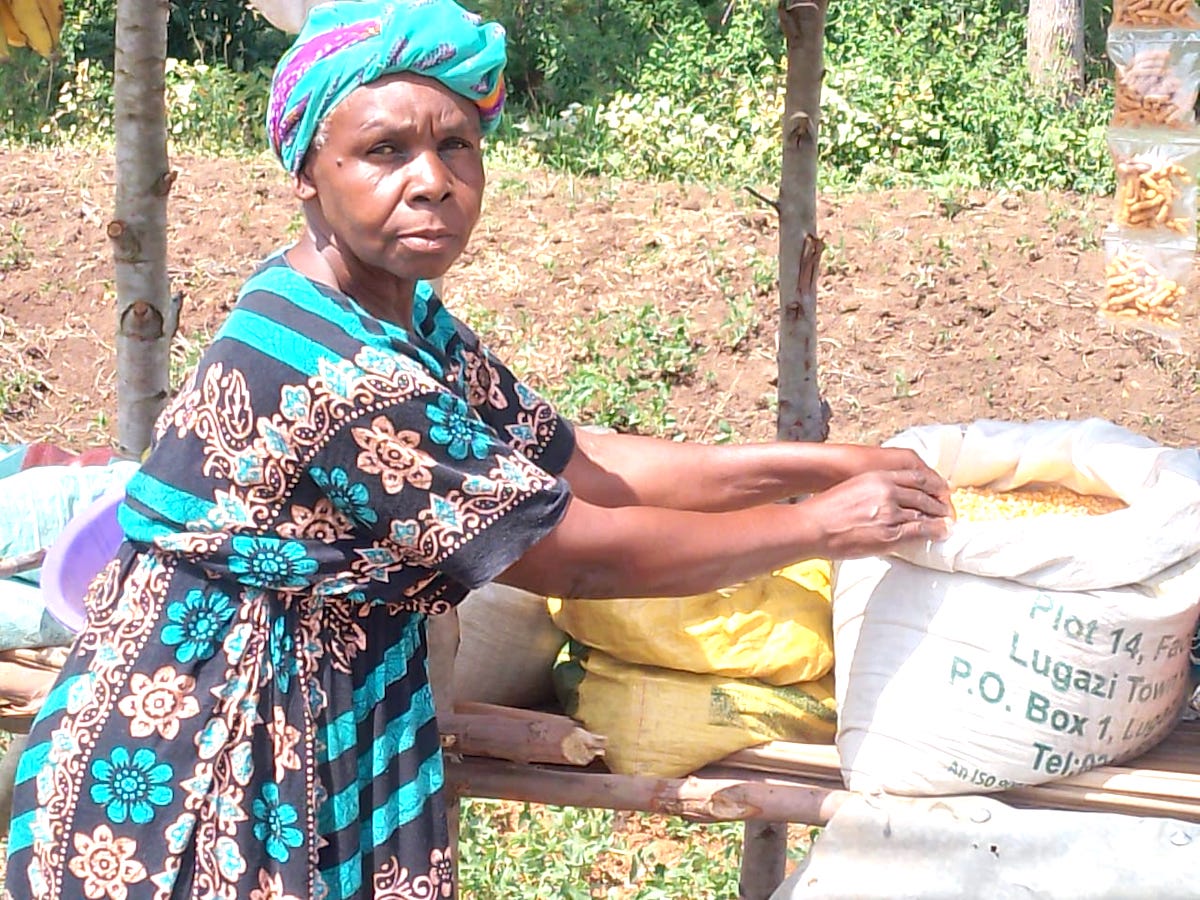
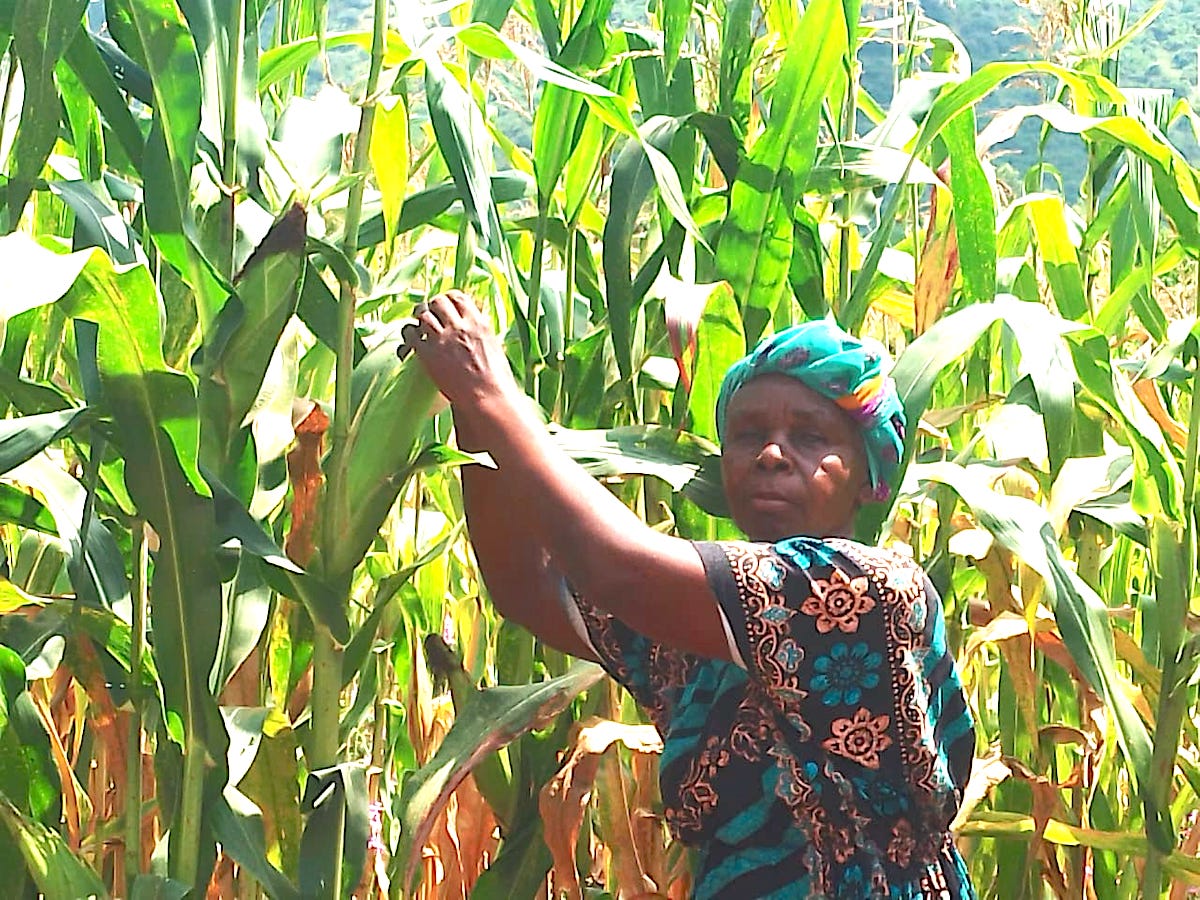
To provide for her family, Monica engages in active farming and small-micro-enterprise (SME) businesses, such as selling assorted cereals, which have significantly improved her family’s livelihood.
YOU MAY ALSO LIKE: Father Chris Barasa, a Father to Needy Students
Her involvement in rice farming has expanded her financial capabilities, enabling her to educate her children—one, the youngest daughter, completed an early childhood development education course at Busia Teachers Training College, and a son is an instructor at Nangina Youth Polytechnic in Funyula constituency, Busia County.
Monica highlighted that the lack of finances has negatively impacted the lives of many widows in Busia and Kenya at large, preventing them from engaging in income-generating activities.
She appeals to both county and national governments to allocate funds from their budgets to empower widows to engage in SMEs, making them self-reliant.