




















- Beyond the physical challenges, stigma and discrimination surrounding menstruation deepen the crisis, leaving many girls feeling isolated and ashamed.
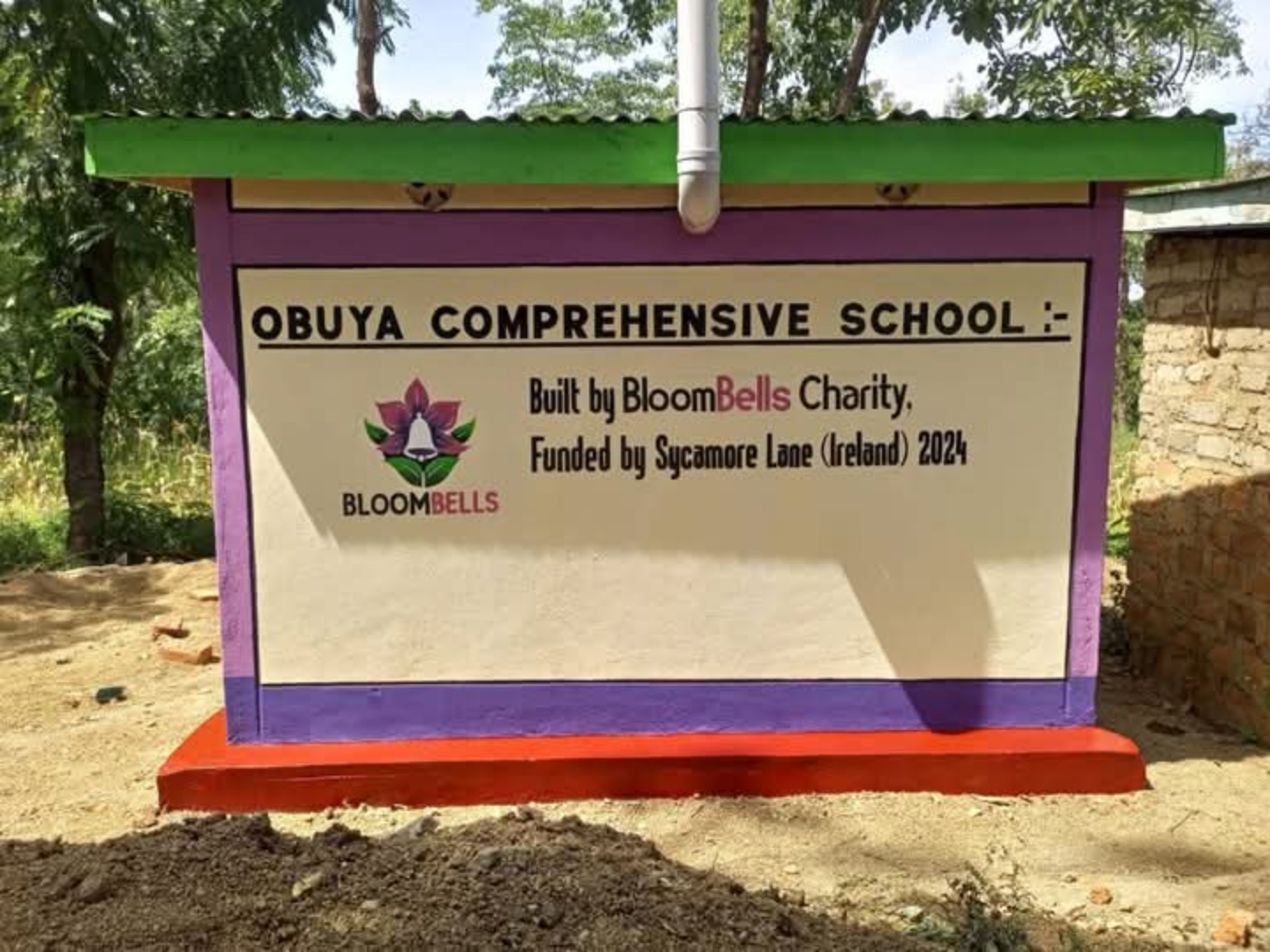
- Recent milestones include the construction of a modern pit latrine at Obuya Comprehensive School and the installation of water tanks to ensure access to clean water.
- Misori announced an initiative to pair Kenyan schools with those in Ireland, fostering cultural exchange and mutual learning.
The classroom, once alive with the chatter of eager learners, fell silent as Achieng, a 14-year-old girl, quietly stood up and left. Her uniform betrayed her secret—a stain that spoke volumes about her reality.
For Achieng, this was not the first time her education was disrupted by her period. Without access to sanitary towels, she endured monthly indignities that chipped away her confidence and dimmed her dreams.
Sadly, her story is all too common. Across Kenya, countless girls face the crisis of period poverty, a pervasive challenge that robs them of education, dignity, and opportunity.
Understanding Period Poverty
Period poverty refers to the lack of access to menstrual hygiene products, education, and safe sanitation facilities. This silent thief keeps girls out of school for several days each month, derailing their academic progress.
Beyond the physical challenges, stigma and discrimination surrounding menstruation deepen the crisis, leaving many girls feeling isolated and ashamed.
In rural Kenya, the problem is particularly acute. Cultural taboos and myths around menstruation perpetuate silence, while limited resources force many families to prioritize basic needs over menstrual hygiene products.
For these girls, menstruation becomes a source of shame instead of a natural part of life.
A Bold Step Forward: Bloombells Charity’s National Campaign
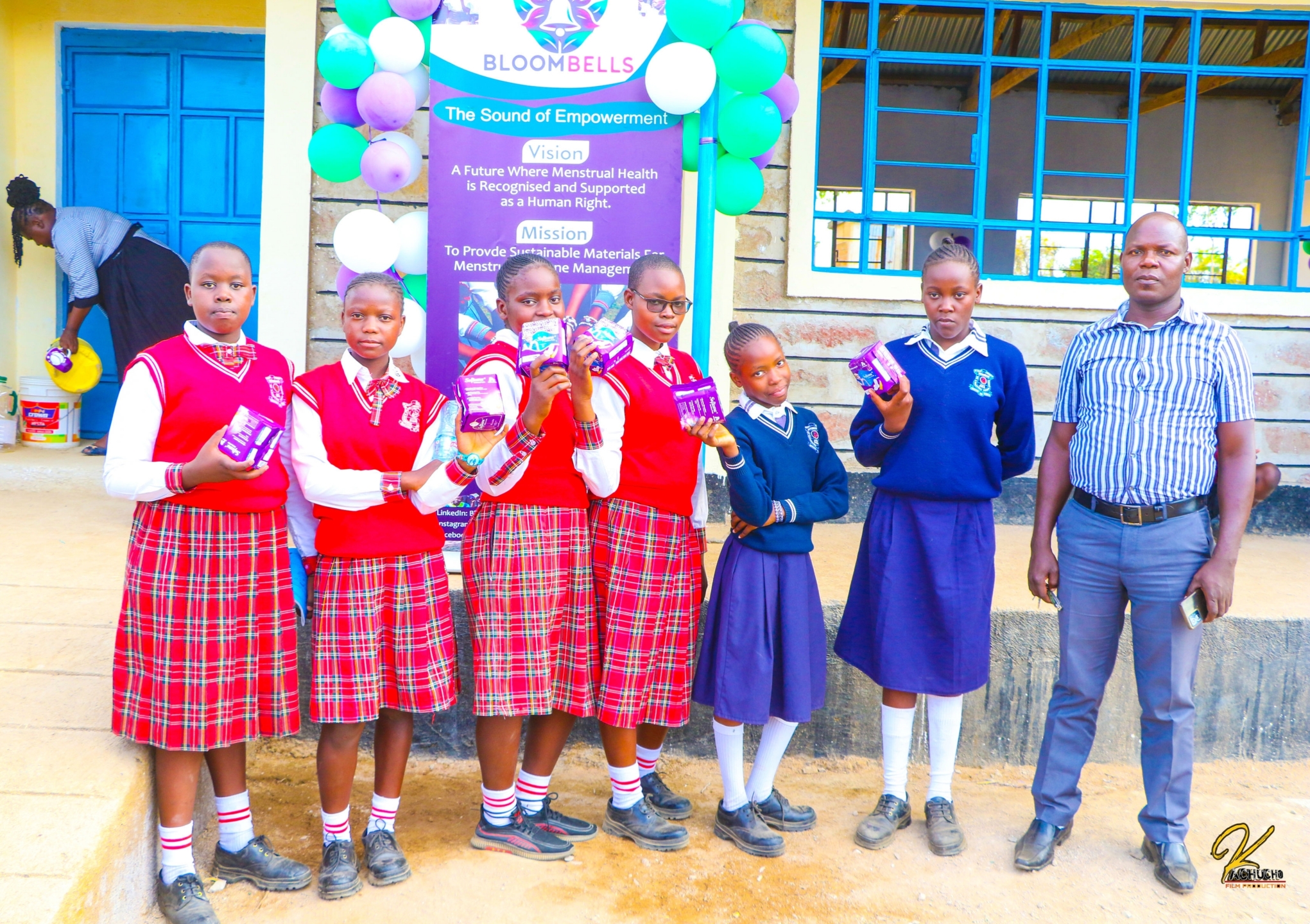
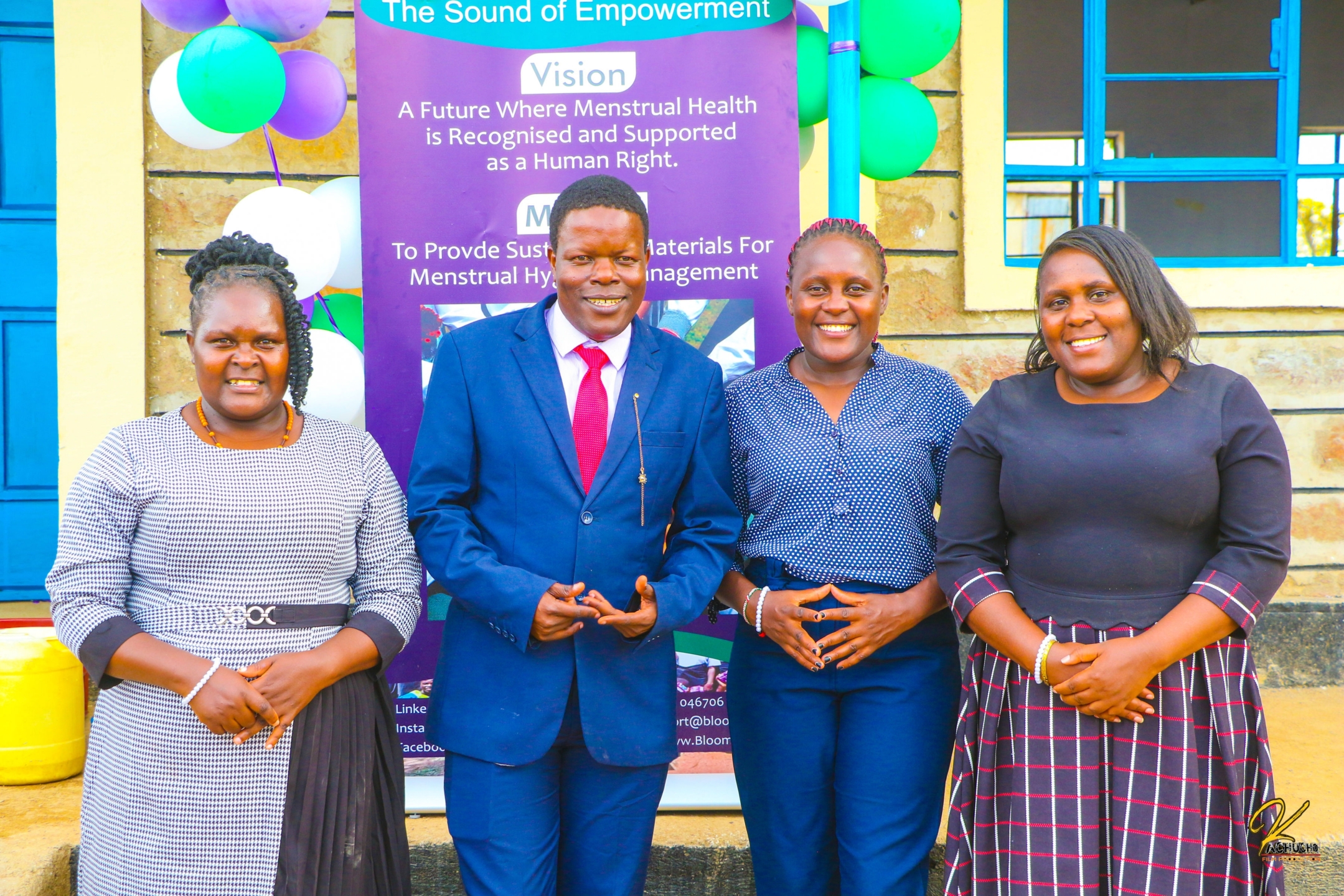
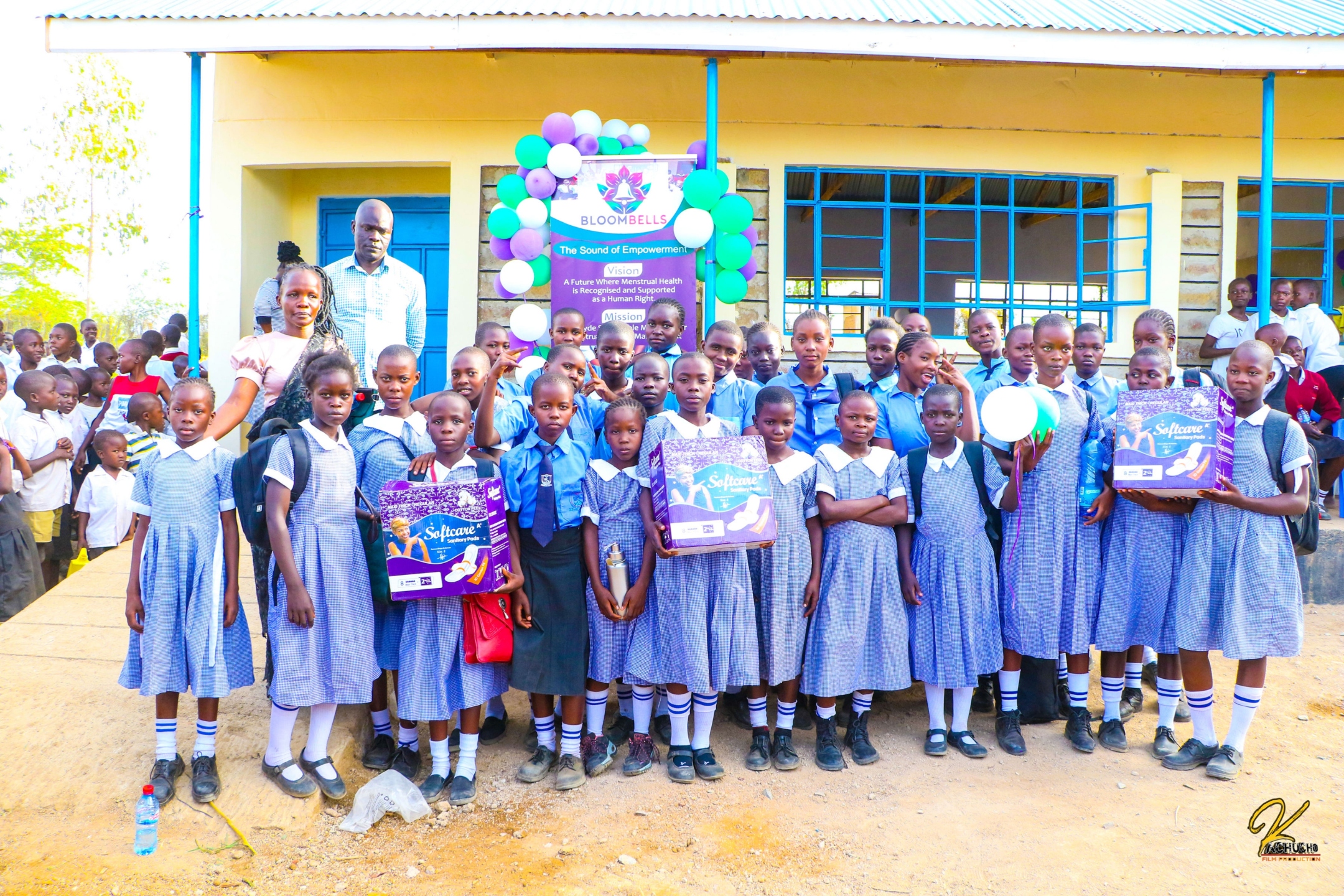
Recognizing the urgency of this issue, Bloombells Charity has taken bold strides to address period poverty head-on. On the serene grounds of Obuya Comprehensive School in Homa Bay County, the charity recently launched a national campaign to eradicate period poverty in Kenya.
The event drew an impressive gathering of over 20 heads of institutions, community leaders, educators, clergy, among other stakeholders—a testament to the collective resolve required to tackle this silent crisis.

The day began with a celebratory Mass led by Rev. Fr. Gregory Ombok of St. Francis of Assisi, Mawego Catholic Parish. In his sermon, Fr. Gregory commended Bloombells Charity for addressing a critical community need.
“Service to society is service to God,” he said, urging continued prayers and support for those transforming lives.

Breaking Barriers and Building Futures
Elijah Nyaanga, Founder and CEO of Scholar Media Africa and the event’s Chief Guest, delivered a powerful keynote address.
“Menstruation is not a curse but a natural part of life,” he declared. “We must create an environment where no girl is left behind due to a lack of menstrual hygiene products.”
Nyaanga’s words set the tone for the day, inspiring stakeholders to pledge their commitment to tackling period poverty.

Drawing from the impactful work of Eamonn Maguire, founder of Bloombells Charity and Sycamore Lane, he highlighted the power of community and art in raising critical funds for children’s meals and menstrual hygiene kits.
“Every small act of kindness creates a ripple effect,” Nyaanga noted. “Eamonn’s work reminds us that we all have a role to play—whether through financial support, advocacy, or community engagement.”
A Holistic Approach to Period Poverty
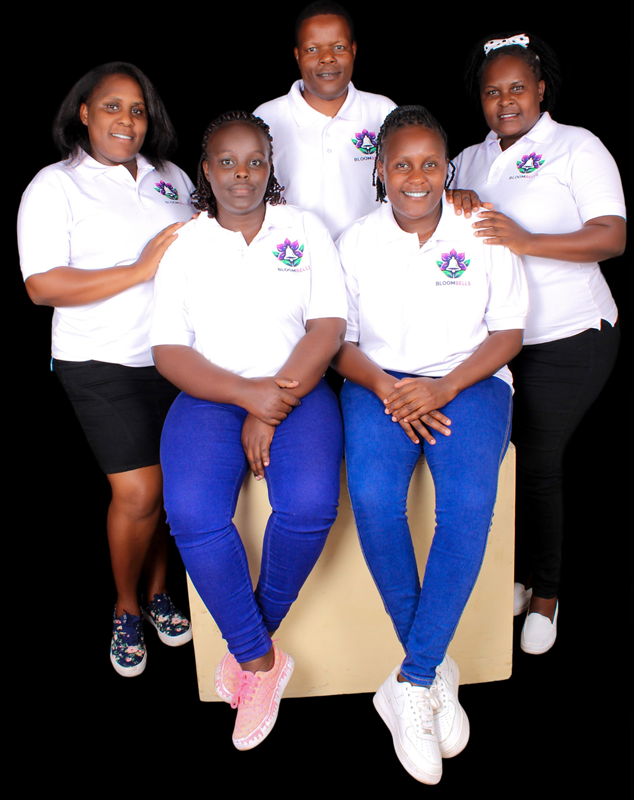
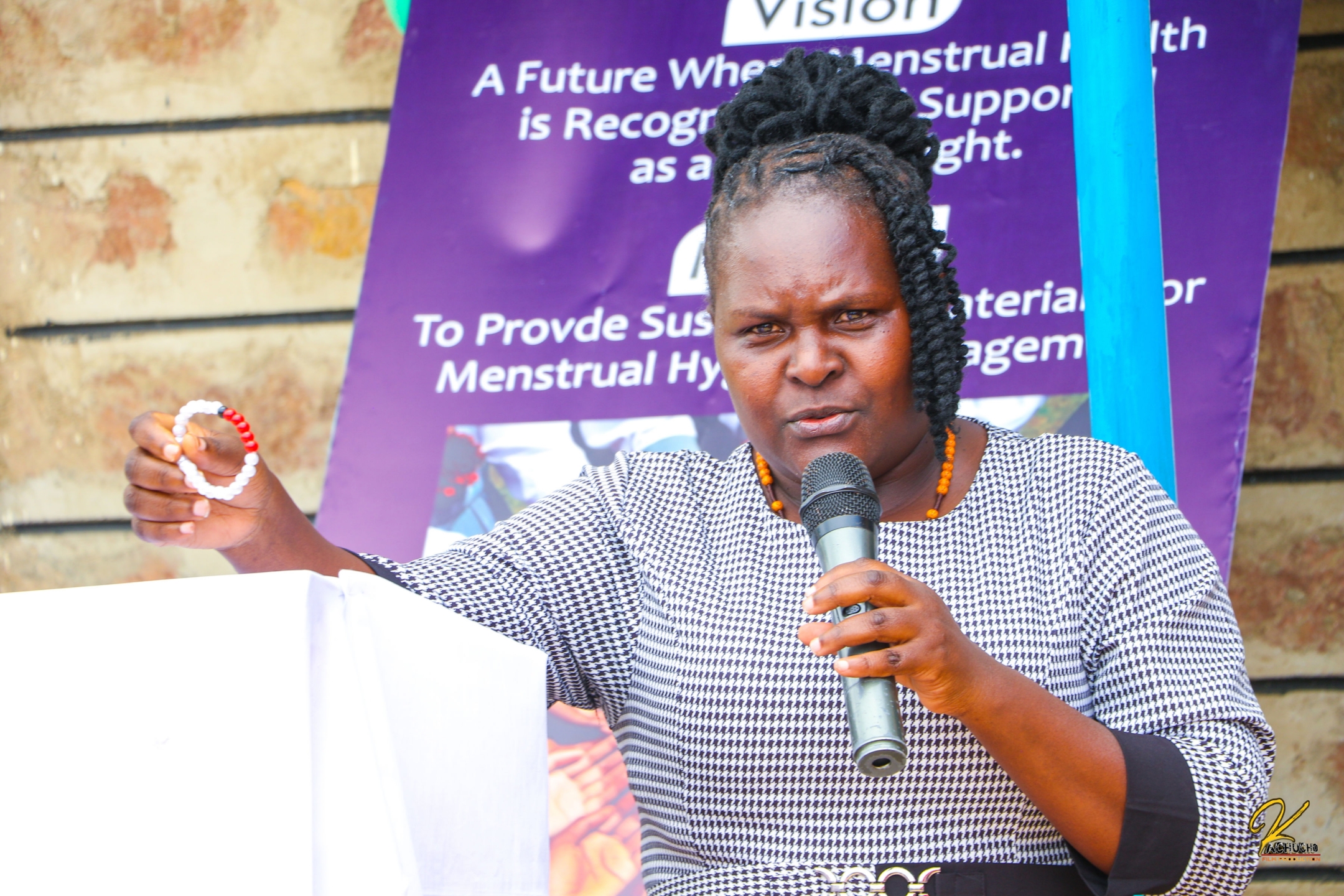
Juster Kagendi, co-founder of Bloombells Charity, passionately outlined the organization’s mission.
“Our goal is clear: to ensure no girl feels ashamed or misses school because of menstruation,” she said. Kagendi emphasized the charity’s holistic approach, which includes providing sanitary towels, improving sanitation facilities, and delivering menstrual health education.
Recent milestones include the construction of a modern pit latrine at Obuya Comprehensive School and the installation of water tanks to ensure access to clean water.


“We are not just addressing immediate needs, but creating sustainable environments where girls can thrive with dignity,” Kagendi explained.
Since its inception, the charity has donated over 10,000 sanitary towels, supported seven schools, and delivered more than 1,300 empowerment packs. With this national campaign, BloomBells aims to adopt 200 schools across Homa Bay, Tharaka Nithi, Kisumu, and Kitui counties.
The vision includes monthly donations of sanitary towels, improved toilet facilities, and water harvesting systems to ensure long-term impact.
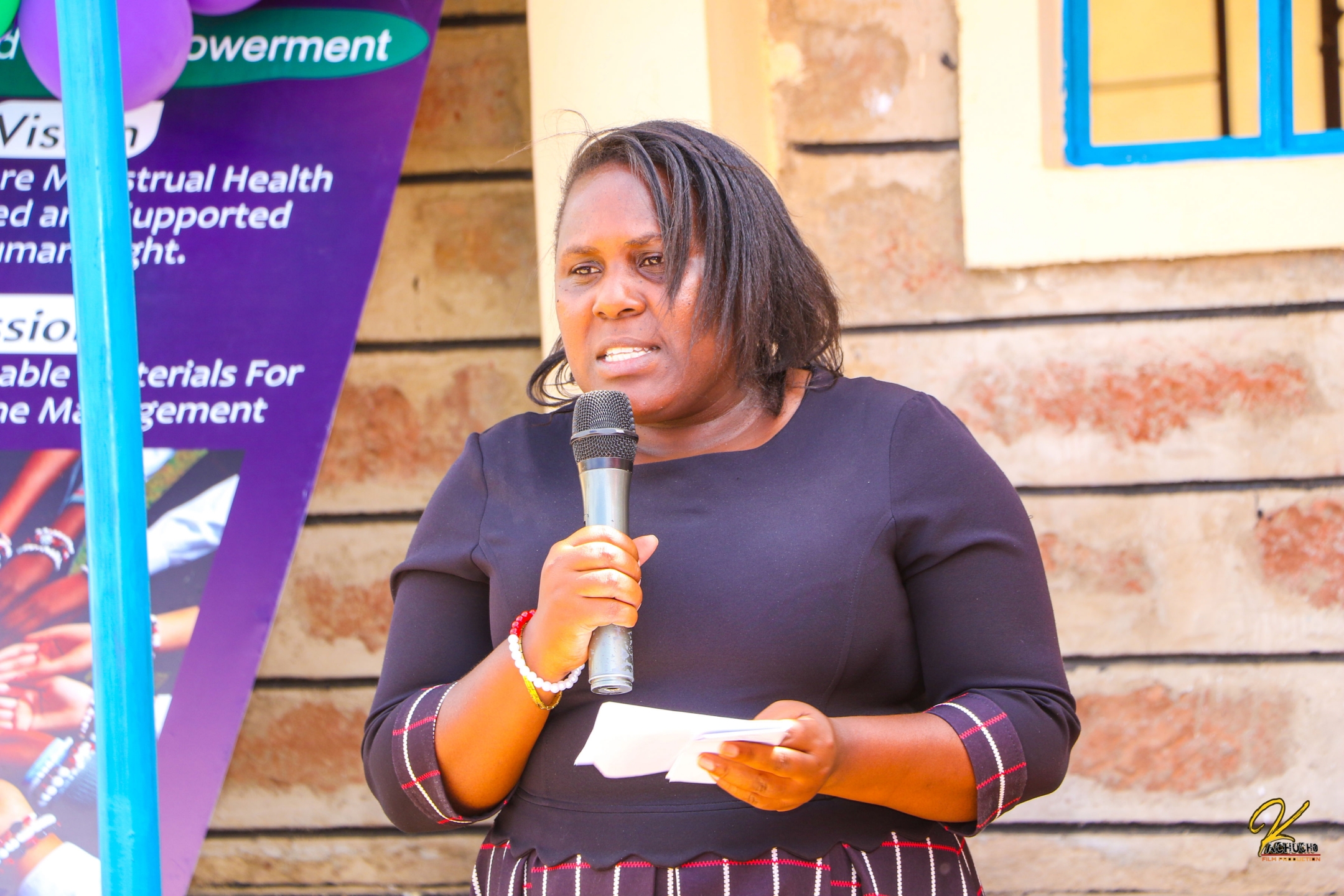
Amina Nyaga, a director on the board of trustees, emphasized the importance of partnerships in achieving menstrual justice.
“We hope to partner with schools, parents, local leaders, and other organizations to create safe spaces for girls. It takes a collective effort to address this challenge,” she said.
Milka Mukami, also a board director, celebrated the resilience and sacrifices of women.
“Women have been the unseen architects of our survival and progress. Their sacrifices, often unspoken and uncelebrated, form the foundation upon which families, communities, and nations thrive,” she added.


The Crucial Role of Matrons
BloomBells Charity’s initiatives rely heavily on the dedication of matrons who serve as mentors, educators, and advocates in schools.
Joyce Mwamba, a BloomBells Club matron from Rukurini Comprehensive School in Tharaka Nithi County, spoke passionately about addressing stigma.
“To eradicate period poverty in rural Kenya, we must speak openly about menstruation and its impact,” she said.
Sara Kamene from Ng’onya Comprehensive School and Nancy Kirema from Nkundi Comprehensive School shared similar sentiments, emphasizing the need for community involvement and education to break down myths and taboos.
Meanwhile, Maureen Kaudo from Oluti, Monica Adhiambo from Mawego Mixed, and Irine Owino from Obuya Comprehensive School shared their experiences in guiding girls and ensuring they stay in school.
“As matrons, we see firsthand how a single sanitary towel can transform a girl’s day. It’s not just about hygiene; it’s about restoring dignity and hope,” said Irine Owino

Empowering Communities Through Education
Educators present expressed unwavering support for Bloombells Charity.
Patrick Were, Chairman of the Rachuonyo Branch of the Kenya National Union of Teachers (KNUT), emphasized the critical role of teachers.

“As educators, we must ensure our students stay in school to pursue their dreams,” he said, with his vice chair, Joshua Okinda, adding: “Menstrual health is not just a women’s issue; it’s a societal issue. We must work together to ensure every girl has access to the resources she needs to succeed.”

Isdore Kaudo, a Learning and Development Specialist, delivered a heartfelt speech that resonated deeply with attendees.
“How can we as a society fail to recognize these acts of humility?” He asked. “BloomBells Charity is one organization we must embrace as a community and support at all costs.”
During the event, Kaudo donated three cartons of sanitary towels to the charity, which were immediately distributed to Weta Comprehensive School. He commended the charity’s founder for the sacrifice to restore dignity and create opportunities for girls.
“Today, Obuya boasts one of the most modern and safest pit latrines in public schools. We are humbled by your resolve to ensure our girls learn in a good environment,” he added.

The Power of Unity and Art
The event also featured vibrant performances by students from schools like Miyuga, Oluti, Mawego Mixed, Weta, and Obuya. Traditional dances inspired by Sycamore Lane’s Irish folk and country music added a unique celebratory touch.
“Every note turns into hope,” remarked Carospain Atieno, a junior school student from Obuya Comprehensive School. The performances underscored the transformative power of art in addressing global challenges and fostering unity.
A Call to Action
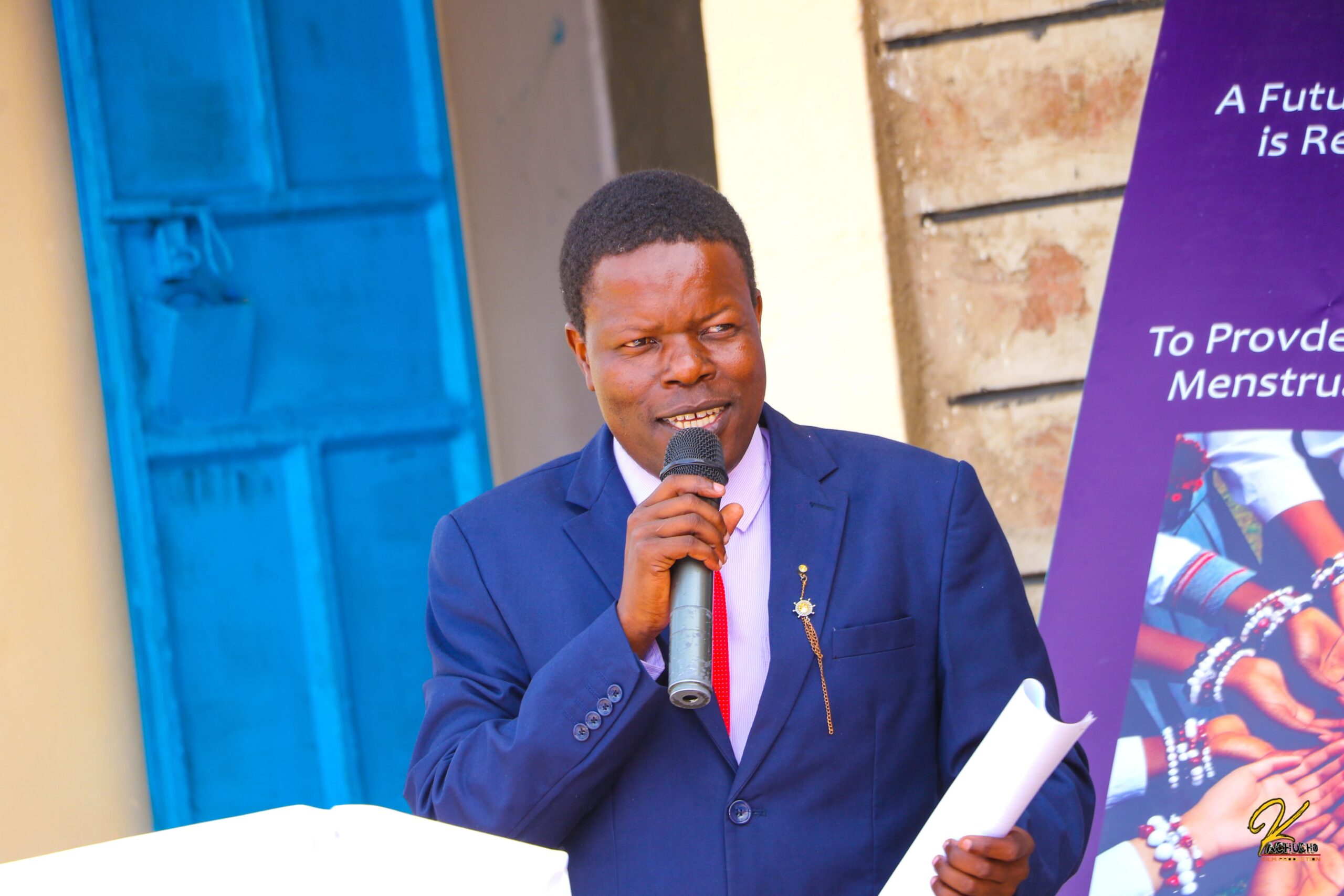
Stephen Misori, General Secretary of Bloombells Charity’s Board of Trustees, delivered a powerful closing address.
“This fight is not just about sanitary towels, it’s about dignity, education, and equality. Together, we can rewrite the future,” he said.
Misori announced an initiative to pair Kenyan schools with those in Ireland, fostering cultural exchange and mutual learning: “This is about shaping girls into informed, empowered decision-makers.”
As the event concluded, the air buzzed with renewed commitment. For girls like Achieng, the national campaign launch in Homa Bay County is a lifeline. It is a promise of a future where menstruation is no longer a barrier to education.
YOU MAY ALSO READ: BloomBells Charity Brings Dignity and Hope to Girls Facing Period Poverty
The Charity is leading the charge with collaboration, innovation, and compassion.
“The time to act is now,” John Agutu, the Head of Obuya Comprehensive School, reminded the community, adding: “Support initiatives that support learners because the future is in education.”
MORE PHOTOS